
Your first microphone should fit your room, your budget, and the number of people recording. The most expensive microphone is not automatically the right one.
For a beginner, start with a simple dynamic USB/XLR microphone or use what you already own. High-end gear can come later.
In this guide
USB vs XLR: which one should you choose?
A USB microphone connects directly to a computer and is usually simplest for solo recording. An XLR mic connects through an audio interface or production mixer, which gives you more flexible multichannel setups. Some microphones offer both connectors so you can start simply and upgrade later.
If you plan to host in-person interviews with two or more voices, an audio recorder or mixer that supports a separate mic for each person is often easier to manage than several independent USB microphones. Before you buy, count the inputs you will actually need.

Do this next
 Illustrative studio photo · see exact item on Amazon
Samson Q2U USB/XLR Microphone
Plug into a computer now; upgrade to an XLR mixer later.
Best first microphone if you want USB simplicity with room to grow.View on Amazon Paid affiliate link • No live price shownDynamic or condenser?
Dynamic microphones are often forgiving in ordinary rooms when you speak close to them; they can help reduce the proportion of distant sound captured compared with a mic placed far away. They do not magically soundproof a room. Condensers can produce detailed audio, but they may reveal more ambient sound depending on placement and gain.
Test your recording environment first. A good dynamic mic close to the mouth in a quiet room frequently gets beginners further than a costly condenser with bad placement. Pop filters, consistent distance, and properly adjusted input gain are important with either type.

Do this next
 Illustrative studio photo · see exact item on Amazon
Audio-Technica ATR2100x-USB
Dynamic USB/XLR microphone for speech and live conversations.
A flexible alternative for total beginners.View on Amazon Paid affiliate link • No live price shownBeginner microphones worth comparing
The Samson Q2U and Audio-Technica ATR2100x-USB are sensible USB/XLR dynamics for beginners. The RØDE PodMic USB is another step up if you like its form factor and built-in digital features. All three can fit into a small spoken-word setup. Compare included stands, cables, headphone outputs, and connection compatibility—not just microphone names.
Use the product links for current configurations rather than relying on an old price or bundled accessory list. A sale price can change and a microphone package may not contain everything shown in an advertising photo.
Do this next
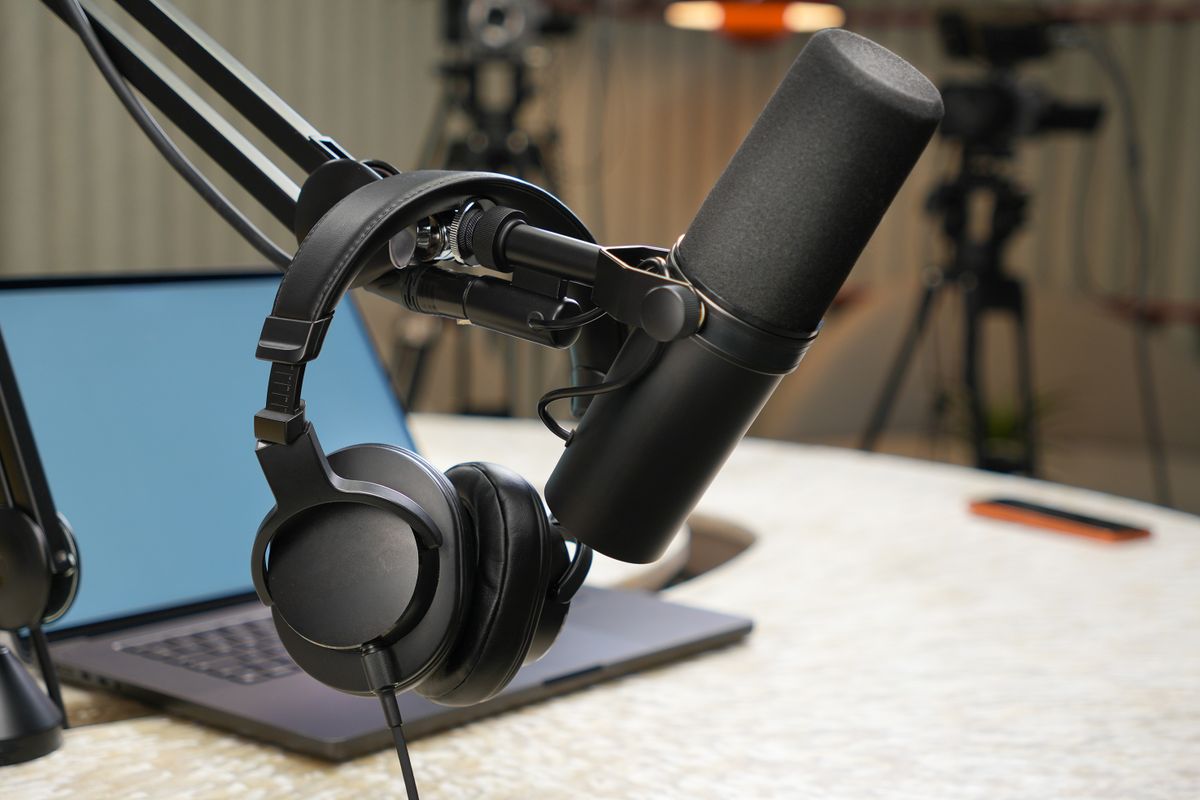
 Illustrative studio photo · see exact item on Amazon
RØDE PodMic USB
Broadcast styling, USB-C and XLR connectivity in one dynamic mic.
For creators who want a fuller upgrade path.View on Amazon Paid affiliate link • No live price shownPremium microphone upgrades
The Shure SM7dB and Electro-Voice RE20 are well-known broadcast microphones. Both can sound excellent, but neither guarantees a better podcast on its own. Microphone positioning, room treatment, interface quality, and voice technique still matter.
If your first show is not published yet, buying a premium mic is rarely the highest-impact next step. Once you have an audience and a repeatable process, upgrading can make sense for particular needs: spoken-word character, physical reliability, or a studio with multiple hosts.
Do this next
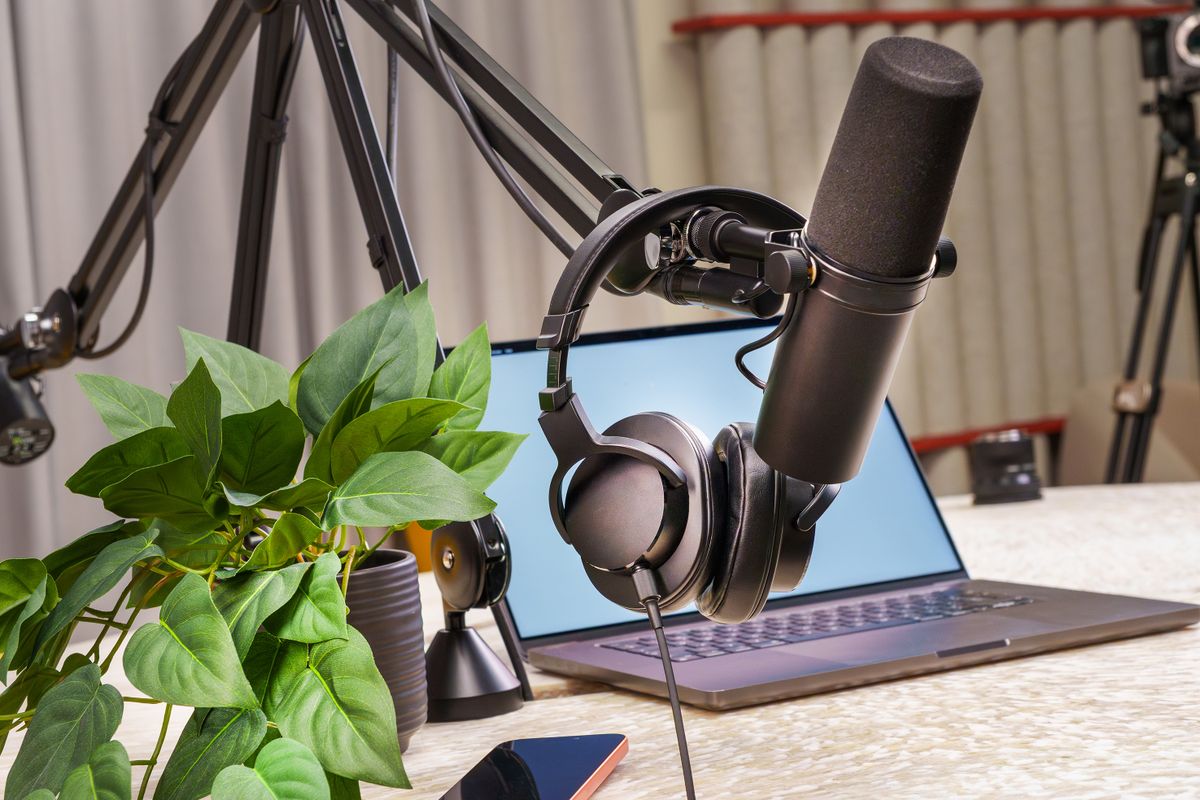
Illustrative studio photo · see exact item on AmazonShure SM7dB
Premium broadcast dynamic mic with a built-in active preamp.
Professional audio upgrade, not required for a first episode.View on Amazon Paid affiliate link • No live price shownGo deeper: The Complete Podcast Equipment Checklist
Now you've got a plan.
For a beginner, start with a simple dynamic USB/XLR microphone or use what you already own. High-end gear can come later.
Keep the setup simple, learn from the first recording, and follow the next guide that answers a problem you actually have. You don't need to buy everything on this page to publish your show.
See the 90-day planThis is independently written beginner guidance. Gear descriptions focus on product features and practical fit, not unverified testing or invented performance rankings. Product availability, bundles, and prices can change. Photos are real-world studio illustrations, not verified images of the exact recommended models.


