
A podcast is a marketing channel, a publishing habit, and sometimes a business on its own. If your goal is profit, decide which business model you are testing before spending money on a set.
Start the business with a real audience problem, not with the size of your equipment wishlist.
In this guide
Choose your business model
You can use a podcast to bring customers to an existing service, build a sponsorship-supported media property, earn affiliate income, or sell useful digital products. These are different businesses with different time horizons. A podcast that brings in one qualified consulting client can be profitable with a small audience. An advertising-only show may need much more reach.
Write down the customer, problem, offer, and action you want listeners to take. For example, a home-improvement podcast could teach homeowners and eventually refer them to legitimate service providers. Do not pretend all audiences have the same purchasing intent.
Do this next
Create a simple production budget
List the tools already available before shopping. Your phone, laptop, quiet room, free audio editor, and a free hosting option may be sufficient to validate the idea. If you need equipment, buy the one thing that solves the most painful problem first. Keep recurring subscriptions off until there is a clear reason to pay.
Business owners also need to plan their time. Include researching, recording, editing, writing show notes, publishing, and promoting. Batch work where you can, and automate repetitive steps only after the manual process is dependable.
Do this next
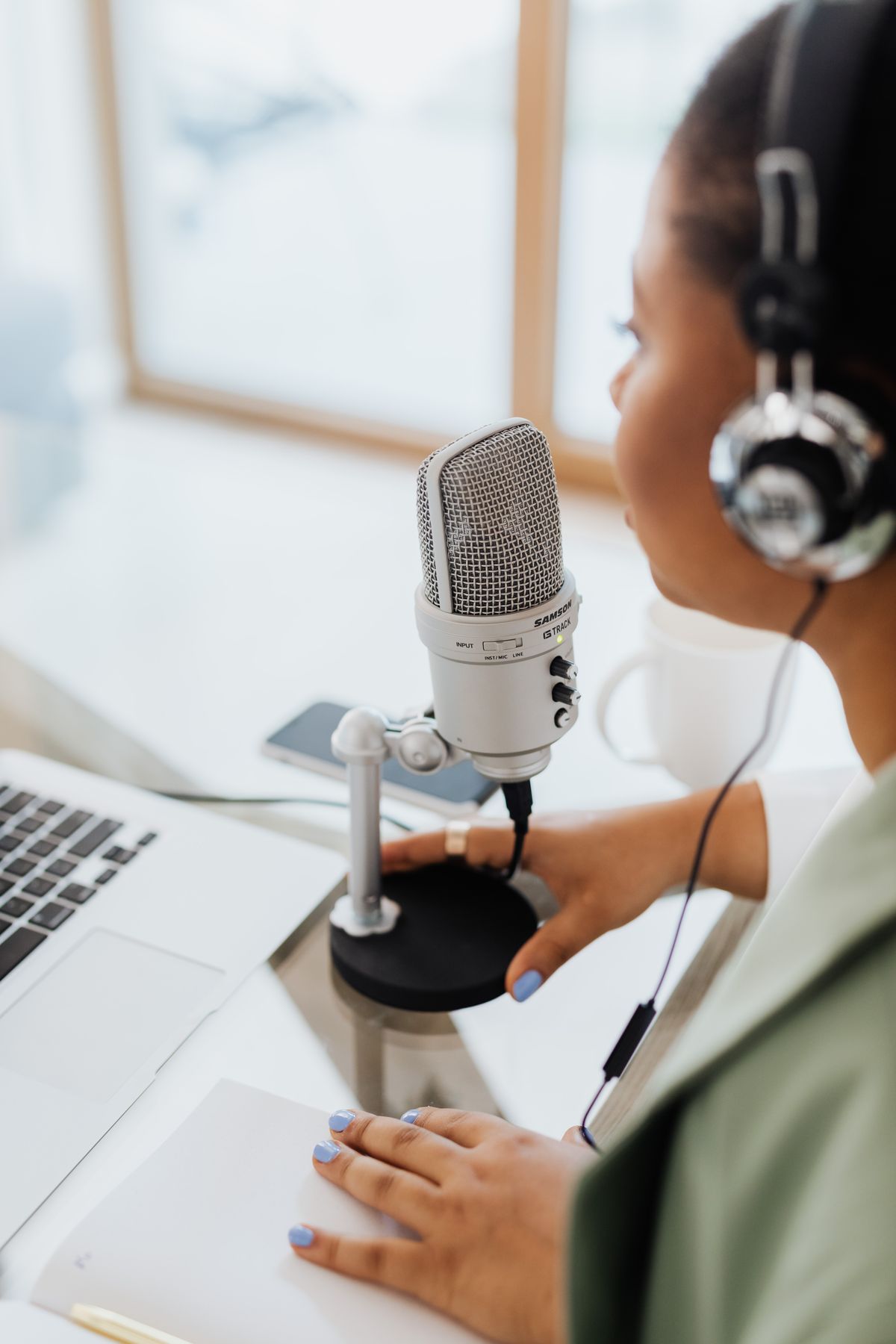
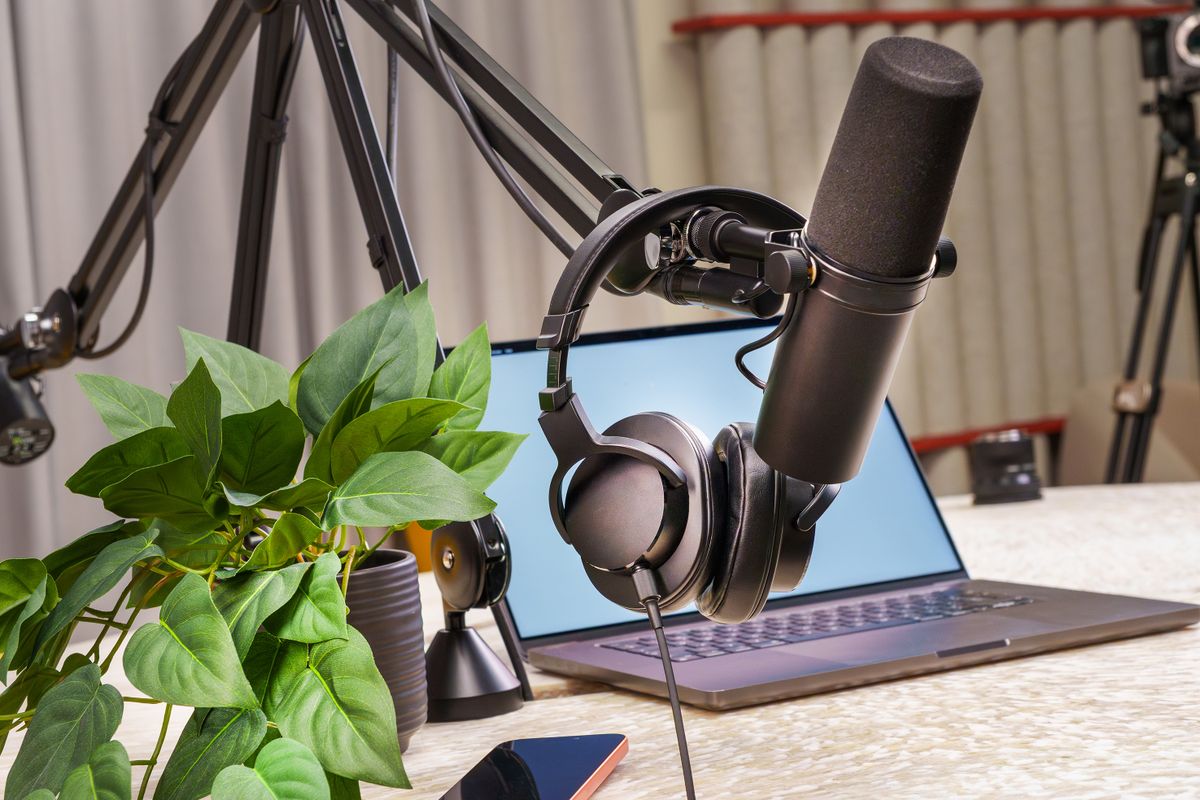
 Illustrative studio photo · see exact item on Amazon
Samson Q2U USB/XLR Microphone
Plug into a computer now; upgrade to an XLR mixer later.
Best first microphone if you want USB simplicity with room to grow.View on Amazon Paid affiliate link • No live price shownBuild assets you control
Keep your original recordings, scripts, artwork files, website copy, and analytics access. Use a real podcast host with a portable RSS feed. If you buy a domain, verify that you control it and keep your registration current. Check that your podcast name isn't confusingly similar to another brand.
Organize guest permissions and any licensed music. Remember that a business podcast can still create privacy and legal issues if you publish someone else's private information or record conversations without appropriate consent. Seek appropriate professional advice for legal or tax structures.

Do this next
Measure results and refine
Do not decide success solely by download counts. Look for listener questions, email signups once an email system is connected, affiliate click-throughs, relevant leads, and sales. Create a small monthly report showing content published, traffic, costs, and earned commissions. With a tiny budget, this prevents spending money based on excitement alone.
Use the 90-day roadmap on this site for a manageable initial schedule. Revise the show promise if several episodes fail to attract any meaningful interest, but don't switch niches every two days. Consistency and improvement work together.
Do this next
Go deeper: Related podcast tutorial
Now you've got a plan.
Start the business with a real audience problem, not with the size of your equipment wishlist.
Keep the setup simple, learn from the first recording, and follow the next guide that answers a problem you actually have. You don't need to buy everything on this page to publish your show.
See the 90-day planThis is independently written beginner guidance. Gear descriptions focus on product features and practical fit, not unverified testing or invented performance rankings. Product availability, bundles, and prices can change. Photos are real-world studio illustrations, not verified images of the exact recommended models.


